Lead Index Setup and Session Context
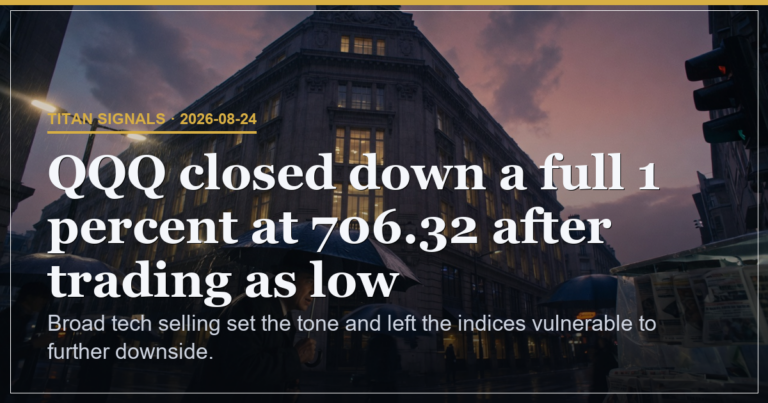
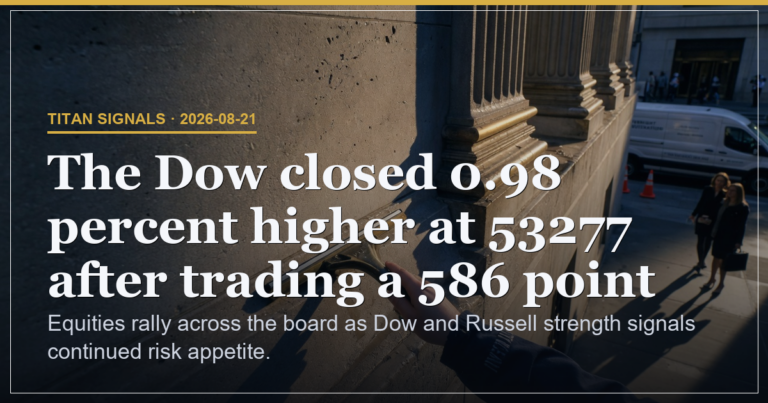
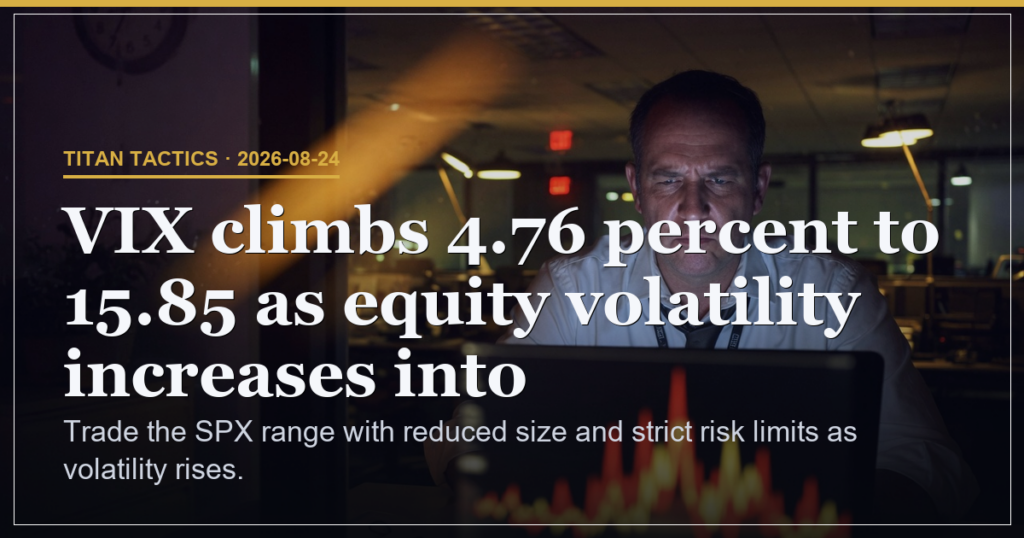
SPX opens the session near 7653 after a modest 0.28 percent decline from the prior close, leaving price wedged between clear support at 7638 and resistance at 7670. The tape shows QQQ leading the downside with a one percent drop while DIA posts a modest gain, signalling defensive rotation into blue chips. Building on yesterday’s view in the Positioning Pressure note, options flow remains tilted toward bullish call buying in five major tech names, yet the broader index lacks follow-through conviction. VIX has jumped 4.76 percent to 15.85, lifting realised volatility into the open and forcing tighter risk controls from the first print. Every level therefore carries extra weight because a decisive breach will set the tone for the next directional leg rather than allow continued oscillation.
Range Trading Tactics on SPX
Traders should map entries around the 7638 to 7670 boundaries with the explicit goal of capturing mean reversion while volatility remains contained. Scale in only on confirmed tests of support or resistance, using the prior day’s high and low as secondary confirmation filters. Position size must stay reduced because the VIX spike already signals that stops are more likely to be swept on noise. The tactical read is to fade extremes rather than chase breaks until volume confirms a sustained move beyond either boundary. Cross referencing the Setup Radar pod, the absence of a clear catalyst keeps the session range bound unless one of the levels yields decisively.
| Level | Action | Tactical Insight |
|---|---|---|
| 7638 support | Scale long on test with tight stop below | Accumulation zone if tech names hold their call flow bias, yet size capped at half normal risk given VIX elevation |
| 7670 resistance | Scale short on rejection with stop above | Profit taking likely here as zero DTE pinning pressure noted in Option Watch remains active near 766 |
| 7650 midpoint | Monitor for fade setups only | Neutral ground where conviction stays lowest, avoid new entries until price commits to an edge |
Volatility Lens and Position Sizing
The sharp VIX advance to 15.85 introduces the primary risk driver for the session, pushing the desk to cap total portfolio risk at one percent. Reduced size therefore becomes mandatory across all range trades because wider intraday swings can breach stops before the intended reversal materialises. Building on the Volatility Lens pod, term structure stays normal yet the spot spike already prices in greater uncertainty, so any long or short must carry an explicit exit plan before the next economic print. Traders who ignore the one percent ceiling expose themselves to slippage that quickly compounds when dealers hedge the elevated gamma from zero DTE flows.
Positioning Pressure and Sector Rotation
As our Positioning Pressure read notes, bullish call dominance in AAPL, NVDA, META, MSFT and AMZN continues without offsetting put prints, supporting selective dip buying in those names even as the broader index stays neutral. This concentration of flow suggests institutions remain comfortable adding exposure in leaders rather than hedging the index outright. Hot Zones data reinforces the defensive tilt, with tech indices breaking lower while DIA holds positive ground. Cross referencing Institutional Insight, the lack of dark pool confirmation does not negate the options signal because options markets frequently lead cash moves when conviction clusters in a handful of names.
| Name | Flow Bias | Tactical Insight |
|---|---|---|
| AAPL | Bullish | Call dominance supports dip buying near 750 support with limited put side interest, yet pair with SPX range discipline |
| NVDA | Bullish | Heavy call flow points to continued leadership if 140 holds, targeting extension toward 155 on any SPX upside break |
| META | Bullish | Positioning favours upside follow through above 520, use as satellite long only when SPX respects 7638 |
Scenario Probabilities and Risk Overlay
Three outcomes frame the session ahead. Range continuation carries a 50 percent probability as mixed sector performance and zero DTE pinning keep price oscillating. A clean break higher sits at 30 percent probability if tech call flow overcomes the VIX headwind. A decisive move lower holds a 20 percent probability given the defensive rotation already visible in DIA outperformance. Risk remains fixed at one percent because the VIX spike is the dominant factor that can turn routine noise into stop runs.
Experience Level Guidance
Beginners should watch only the 7638 and 7670 boundaries without entering, focusing instead on noting how VIX moves alter stop distances. Intermediate traders may take one scaled entry per side with the one percent cap strictly observed and a written exit rule before entry. Advanced desks can layer satellite longs in the five tech names highlighted by Positioning Pressure while maintaining the core SPX range hedge, always adjusting size downward as realised volatility prints higher. In all cases the neutral bias prevails until a level breaks with volume.
Trade the SPX range with reduced size and strict risk limits as volatility rises.
This is analysis, not financial advice. Always manage your risk.