# What Bonds and Yields Mean for the Ethical Investor
There is a puzzle at the heart of ethical investing that almost nobody explains properly. A conventional bond pays interest. For an investor who avoids interest on principle, that instrument is off the table. Full stop. And yet the yield on those very bonds is the single most powerful force acting on every asset that same investor does own. So how do you refuse the instrument while still respecting the signal?
That question is the whole game. And the answer is more elegant than it first looks.
## Why interest-bearing bonds are simply out
Start with the clean part. A standard bond is a loan that pays a guaranteed return on money, fixed in advance, regardless of what the borrower actually does with it. That guaranteed return on money itself, riba, is exactly what an ethical framework rooted in Islamic finance rules out. Values-driven investors from other traditions often land in a similar place for different reasons. Either way, the conventional bond does not make the cut.
This creates a real problem, not a cosmetic one. The classic balanced portfolio is the 60/40: sixty percent stocks, forty percent bonds. That bond leg is supposed to be the ballast, the calm part that holds steady when stocks fall. Take it out and you have removed the shock absorber the entire textbook is built around. You cannot just pretend the other forty percent does not need filling.
## Sukuk: the honest alternative, described honestly
The closest ethical answer is the sukuk. It is often called an Islamic bond, and that nickname causes more confusion than it clears up, because a sukuk is not a loan at all.
A conventional bond lends money and charges interest on it. A sukuk instead gives you a share of ownership in a real asset or a real project: a building, a fleet, a toll road, an infrastructure deal. Your return comes from the rent, the lease payments, or the genuine profit that asset produces. You are an owner taking a slice of something real, not a lender collecting interest on money.
That difference is not wordplay. It changes what you are exposed to. With a true sukuk, if the underlying asset underperforms, your return can move with it. You share in the actual outcome. That is the point, and it is also the risk. A sukuk is not a guaranteed-return safe haven, and it should not be sold as one. It carries the risk of the asset behind it, the credit standing of the party running it, and how easy it is to sell when you want out. Ethical does not mean risk-free. It means the return is tied to something real rather than promised on money alone.
## Using the yield curve without owning a single bond
Here is the shift that separates a sharp ethical investor from a naive one. You avoid the instrument. You still read the signal.
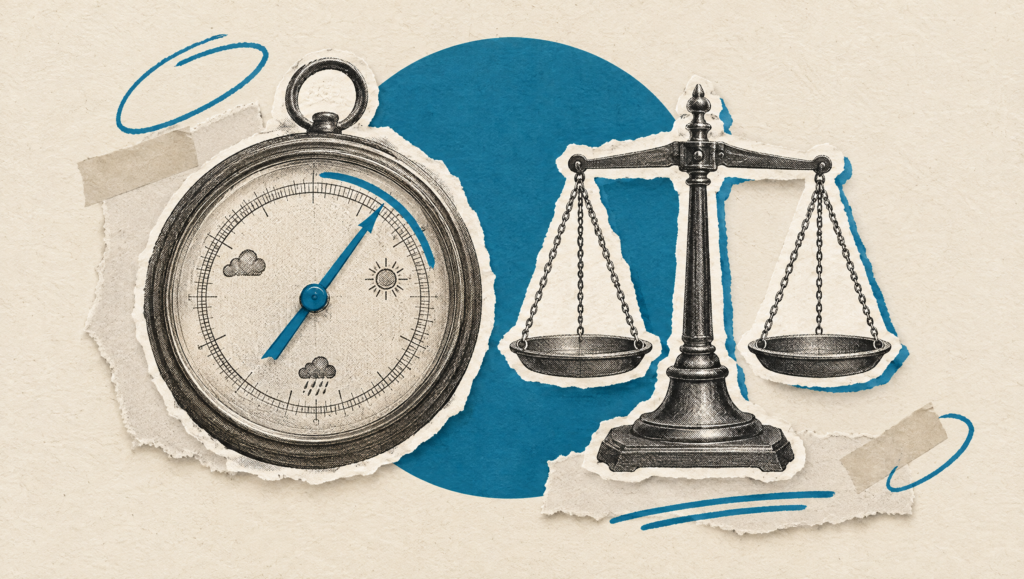
The yield on government bonds is the market’s live reading of the cost of money. That cost moves everything you are allowed to own: equities, gold, currencies, real assets. So a bond yield is not something you earn. It is something you watch, like a barometer you never have to buy to read.
Play it through. When yields rise, the discount applied to future company profits gets heavier, and the growth stocks whose earnings sit far in the future feel it first. If a big slice of your clean portfolio is in exactly those kinds of names, rising yields are a headwind you want to see coming. When yields climb, they also tend to pull global money into the dollar, which shapes how commodities and non-dollar holdings behave. And gold, an asset many ethical investors hold precisely because it is a real thing rather than a paper promise, has a tight relationship with real yields, meaning yields after inflation. When real yields rise, the opportunity cost of holding metal that pays nothing goes up and gold often struggles. When real yields fall, gold usually finds its footing.
None of that requires you to own a bond. It requires you to understand what the bond market is saying about the price of money, and to know which of your holdings will feel it.
## The mindset
This is the discipline in one line: stay fully macro-aware while keeping the portfolio clean. Two separate jobs. One is about what you buy, and there the rules are strict and the line is bright. The other is about what you watch, and there you deny yourself nothing. Reading the yield curve costs you no principle. Refusing to read it just leaves you flying blind in a market that is quietly repriced by yields every single day.
The investors who struggle are the ones who assume that because they will not own bonds, bonds have nothing to teach them. That is like refusing to check the weather because you do not own a barometer.
## The takeaway
For an ethical investor, a bond yield is a signal to read, not an income to earn. You keep the portfolio clean. You keep your eyes open. The instrument stays out, and the intelligence stays in.
This is education, not advice. The point is to understand the whole board, then play only the squares you are willing to stand on.