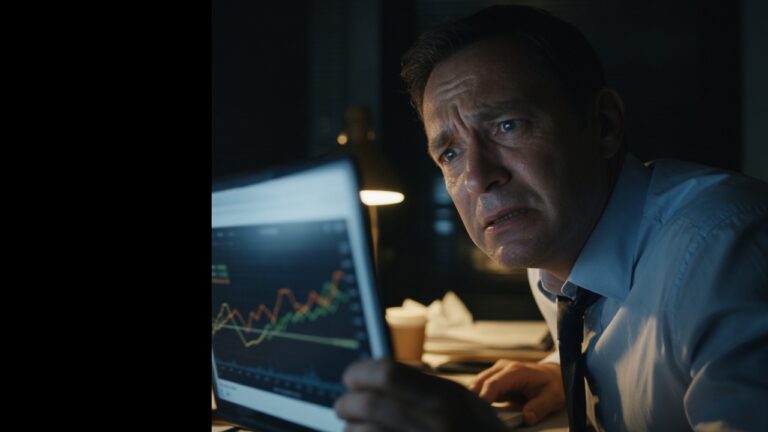
The hardest skill in trading is doing nothing. You open your platform, the market is moving, and every part of your brain tells you that standing aside is the same as missing out. It is not. The trades you do not take are often what separate a good month from a bad one.
Over-trading is the single most common reason retail traders lose money. Not bad strategy. Not bad entries. Forcing trades in conditions that do not suit the strategy they are using.
What Low-Volume Sessions Actually Look Like
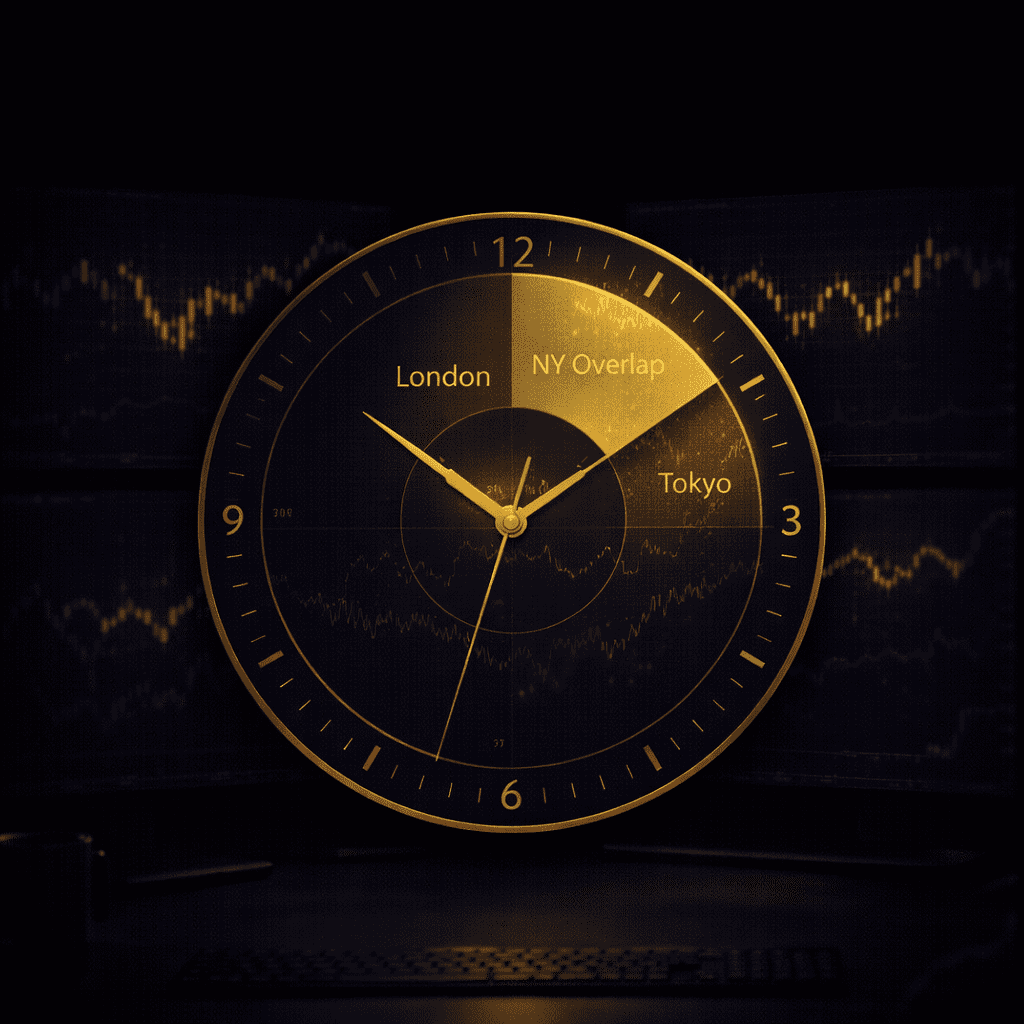
Low-volume sessions are the market’s version of a Friday afternoon. Price still moves, but the moves are driven by a small number of participants. Algorithms hunt stops in tight ranges because there are not enough buyers and sellers to create genuine price discovery.
The Asian session on most instruments, the pre-open period before major exchanges open, and the hour before a major data release are all low-volume environments. The candles look similar to a normal session. The risk is different. A move of 30 points in a thin market can snap back 25 points in minutes, because it was not driven by real conviction — it was driven by a handful of orders meeting no resistance.
Before Major Events: The Environment Changes
In the 30-60 minutes before a central bank decision, an NFP report, or a CPI print, liquidity typically collapses. Market makers widen spreads. The players who actually know how to trade around events have already positioned. Everyone else is guessing.
The best trades around major events are often the ones taken after the initial move, not before. The first reaction is frequently a trap. The re-test or the second leg, once direction is confirmed, is the lower-risk entry. You do not need the first 50 points. You need the next 100.
When You Are Tilted, the Market Wins
Tilt is the state where a recent loss or a missed trade starts influencing your next decision. You take a setup that does not fully meet your criteria because you want to make back what you lost. You size up because you want to recover faster. You enter before confirmation because you are afraid of missing another.
The antidote is mechanical. If you have a defined maximum daily loss — say 2% of account — and you hit it, you close the platform. Not because you are a bad trader. Because any decision made after that point is made from an impaired state. The market will be there tomorrow.
Choppy Ranges and the False Breakout Trap
A choppy range is a market that has defined highs and lows but cannot commit to breaking either direction convincingly. These sessions produce multiple false breakouts as price probes one extreme, fails, then probes the other. Traders chasing each breakout get stopped repeatedly.
The tell is the wick. When breakouts are consistently rejected and close back inside the range, the market is not ready to move. Tight stops get eaten. The correct response is to wait until a breakout closes convincingly outside the range on above-average volume before committing.
Key Takeaways
- Not trading is a position. Sometimes it is the best one available.
- Low-volume sessions carry asymmetric risk. Moves that look real can reverse instantly.
- The best trade around a major event is often after the initial reaction, not before.
- Set a daily loss limit and treat hitting it as an automatic close of platform.
- Choppy ranges kill accounts. Wait for structure before entering.
- Every trade you do not take that did not meet your criteria is a successful decision.
Get the daily framework intelligence
Trade the framework, not the noise.
The principles in this article are how we read markets every day. Members get the live application: daily Pre-Asia, Pre-London, Pre-NY and Post-Close briefs across 20+ instruments, the indicator suite, the Foundry library, and live community.
Free Explorer tier · No card required · Upgrade when you’re ready